Come up from the plains and the light changes first. Thin, hard, unfiltered, throwing black-edged shadows off rock that has never carried a tree. Then the air gets you. You'll be drinking more water than you meant to by mid-morning, and your lips will crack by the second day.
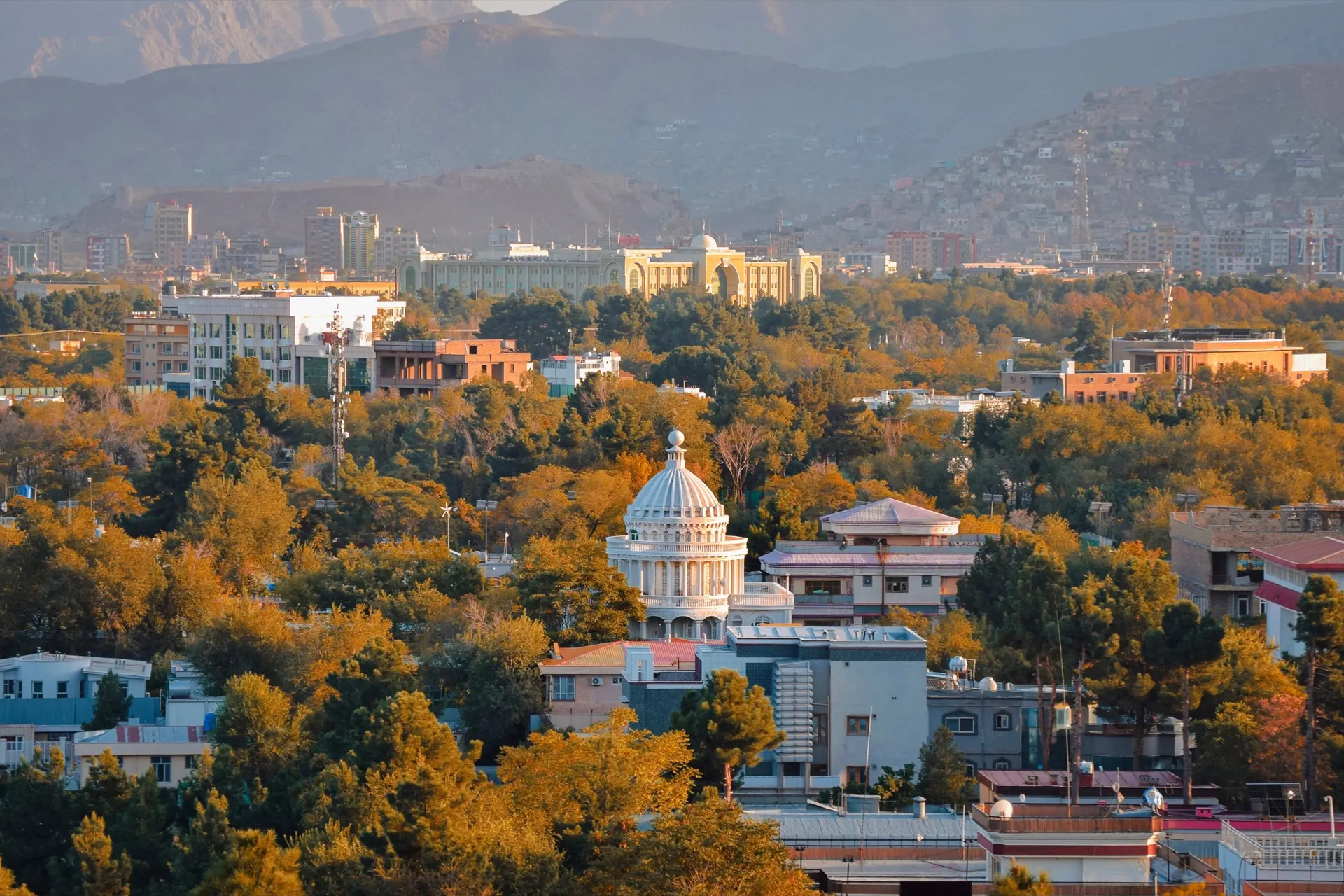
Quetta sits at around 1,680 metres on the floor of a bowl. Chiltan stands to the south-west, Takatu to the north, Zarghun off east, all of them bare grey rock with the strata showing through. None of it reads as South Asia. It reads Kandahar, or Herat, or somewhere further north again. Then you look down at the valley floor and find apricot and apple orchards in irrigated lines between mud walls, grapes under trellis, a market garden with mountains stacked behind it.
The city is low and plain, and there's a reason. The 1935 earthquake flattened it, and what went back up was built under a seismic code written for this valley in particular, in a squat reinforced brickwork engineers still call Quetta Bond. So the provincial capital has almost no old skyline. Don't come for buildings. Come for the ground they stand on, the trade moving through them, and the food. One thing early, though: the advisories written about Balochistan aren't the ones written about the north. There's a section below. Read it before you book.
The bazaars, which are the reason to be in the city
Start at Kandahari Bazaar and give it longer than you planned.
This is where Quetta does the thing it's genuinely good at. Dried fruit and nuts in open sacks: almonds, pistachios, walnuts, raisins graded four or five ways, pine nuts off the chilghoza pines of the Suleiman ranges. That trade runs both ways across the Afghan border and has done for as long as there's been a border to run across. Liaquat Bazaar and Suraj Ganj sit on Shahrah-e-Liaquat a few minutes off and are more general: cloth, kitchenware, Balochi mirror-work embroidery, the everyday business of a provincial capital.
Buy the almonds. They travel.
If your movements are being escorted, and they may well be, the bazaars survive that arrangement better than anything else here. You're on foot, in public, in daylight, doing something entirely ordinary.
Hanna Lake, Urak, and the national park
Hanna Lake sits about seventeen kilometres east, in a fold of hill behind a dam the British put in during the 1890s. Families come out at the weekend to eat and take the boats out. Pleasant, popular, not why you crossed the country. Half an hour. Keep going up into Urak and it improves: cherry and apple orchard the whole way, a waterfall at the head of the valley, and in blossom season the best-looking thing within reach of the city.
Hazarganji Chiltan National Park is roughly twenty kilometres out on the Karachi road, and it exists to protect the Chiltan wild goat, a markhor that lives on these ranges and nowhere else on earth. Be honest about the odds. You're far likelier to come away with juniper, wild ash and a very good view of empty limestone than with a goat. Go for the landscape, not the wildlife.
The rest of the city
The Geological Survey of Pakistan keeps its museum at its Quetta headquarters, and it's better than that sentence sounds: thousands of specimens across several galleries, including ammonites out of Balochistan's marine rock tens of millions of years old. This province is one of the great fossil grounds of Asia, and here is where the evidence lives. It sits inside a government compound, so get access and hours confirmed before you turn up rather than after.
The Command and Staff College is a working military institution, not a sight. Jinnah addressed officers there in June 1948, months before he died, which is why it keeps appearing on lists of things to see. You can't arrive at the gate and expect anything. If it matters, it has to be arranged far ahead through whoever is handling your trip, and it may still not come off.
The food is the strongest argument for coming
Sajji first. A whole leg of lamb or a whole chicken, salted, driven onto a stake and stood up around a fire to roast slowly, served with rice cooked in what came off it. It's Balochi, it's what the province is known for across Pakistan, and here it's cooked as food rather than as a performance. Landi is the winter version of the same instinct: whole mutton, salted and air-dried through the cold months, then cooked. Strong, salty, not for everyone. Try it anyway.
Then go out to Hazara Town on the western edge and eat what the Hazara community cooks. Mantu, steamed dumplings of minced meat and onion under yoghurt and a lentil sauce. Ashak, the leek-filled version. Aush, a thick soup built for cold mornings. Kabuli pulao, rice with lamb, sweet carrot and raisin, Afghan rather than Pakistani in every respect that matters. None of it has been adapted for anybody, and it's the single best reason to give the city a second day.
Green tea comes with all of it, barely sweetened, in small glasses, endlessly. Ask for tea and green is what arrives unless you say otherwise.
The province, and which of it is realistic
Balochistan is the biggest province in Pakistan by area and the emptiest, and most of what's in it sits a long way from Quetta on roads where your movements may not be entirely yours to decide.
Ziarat is the realistic one, east of the city and higher. Go for the juniper forest, among the oldest surviving juniper stands anywhere in the world, with trees that have been standing well over a thousand years. Slow, twisted, widely spaced, quiet in a way that takes a while to land on you. The Quaid-e-Azam Residency is in the same town: a wooden colonial house where Jinnah spent his last months in 1948. Militants burned it down in 2013. It was rebuilt and reopened in 2014, and the fact that both sentences are true tells you something worth knowing about this province.
The Bolan Pass runs south-east down to Sibi and the plains, one of the historic doors into the subcontinent, and the railway through it is Victorian engineering of a high order. So was the line that ran the other way through the Chappar Rift towards Bostan, until a flood took its foundations out in 1942. What's left of those bridges is famous among railway people and effectively unreachable for everyone else. Treat Bolan as country you pass through, not a day trip you build.
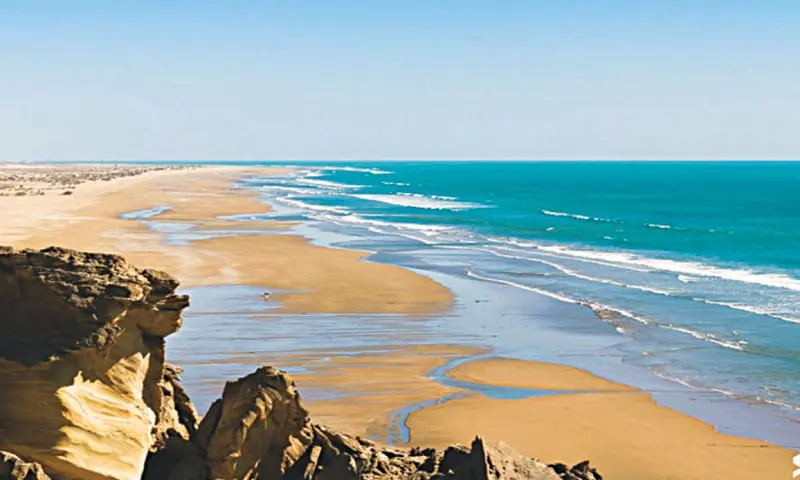
Hingol National Park and the mud volcanoes come up often, and they aren't a Quetta trip. They're far south on the Makran coastal highway, and they make sense from Karachi or on a run out to Gwadar.
The advisory position, and the escort question
Several governments advise against all travel, or all but essential travel, to Balochistan. That differs materially from what those same governments write about Gilgit-Baltistan, and softening it here would be no use to you.
Insurance is where it bites first. Policies written against government advisories can void cover for travel into an advise-against area, sometimes for the whole trip rather than the one leg. Read your actual policy wording, not the summary page. Is Pakistan safe sets out how the two documents talk to each other. We're not qualified to give insurance advice and this isn't any.
Then the escort. Foreign visitors here are frequently assigned a police escort, and a No Objection Certificate has been required for some routes at various times. We won't print today's rule, because that's exactly the sort of thing that shifts and then gets repeated wrong on travel sites for years. Confirm the current position before you commit money: with your own government's advisory, with the Pakistani mission handling your visa, and with an operator who moves people through Balochistan regularly and knows what this month looks like. Our page on tours and treks argues most of Pakistan needs no operator. This province is the exception, and it isn't close.
And all of it moves. What you read about Balochistan six months ago isn't advice. Check it near departure, then check it again.
Where to base yourself
The Cantonment, and don't spend long on the decision.
Hotels cluster around Zarghun Road and Jinnah Road in and near the cantonment, which is where the better rooms, the more reliable power and the security arrangements happen to be. It's also where an escort, if you have one, expects to collect you and return you. Somewhere more characterful on the edge of town sounds good and mostly buys friction. Bookable hotels explains how we handle accommodation.
One thing to settle in advance: which hotels will take foreign guests has varied over the years, at times on police direction. Sort it out before you arrive.
When to go
April to October, and the two ends of that window are the good part.
April and early May give you blossom in Urak and temperatures you can walk in. September and October give you the harvest and the bazaars at full stretch, which is the best version of this city there is. Midsummer is hot but dry rather than humid, and coming up from Karachi or Multan you'll find it a relief. There's no real monsoon here.
Winter is another proposition. Properly cold, well below freezing at night, snow on the city most years and lying on the ranges, roads over high ground closing. A few people would come for exactly that. Most shouldn't.
Getting in and getting around
Fly. It isn't a close call.
Quetta International (UET) has daily domestic flights to Karachi, Islamabad and Lahore, and flying keeps the long overland approach, through the parts of the province the advisories worry about most, out of your trip altogether.
The rail approach is real and it's the historic one. The Jaffar Express runs between Quetta and Peshawar, climbing out of Sibi through the Bolan Pass, and it's one of the great railway journeys anywhere. It has also been attacked, including a hijacking in the Bolan district in 2025. That's no reason to be dramatic about the country as a whole. It's a reason to make that particular decision on current information rather than on romance.
In the city, move by car. Distances are manageable but the layout sprawls, and if you're escorted you'll be in a vehicle regardless.
How long to give it
Two nights. Three if Ziarat is on.
A day and a half, done properly: the bazaars while the dried fruit sellers are still unpacking, the geological museum through the middle of the day, then out to Hanna Lake and up into Urak for the late light on the orchards, and back for sajji. Next morning, Hazara Town for breakfast and the food that justifies the detour. Then the airport, or the road east to Ziarat.
Longer than that and you're spending your time on the province rather than the city. That's the better trip if the position allows it, and a frustrating one if it doesn't.
Nearby
South-west to Gwadar and the Makran coast. South-east down the Bolan line towards Karachi. North-east across the plains to Multan.