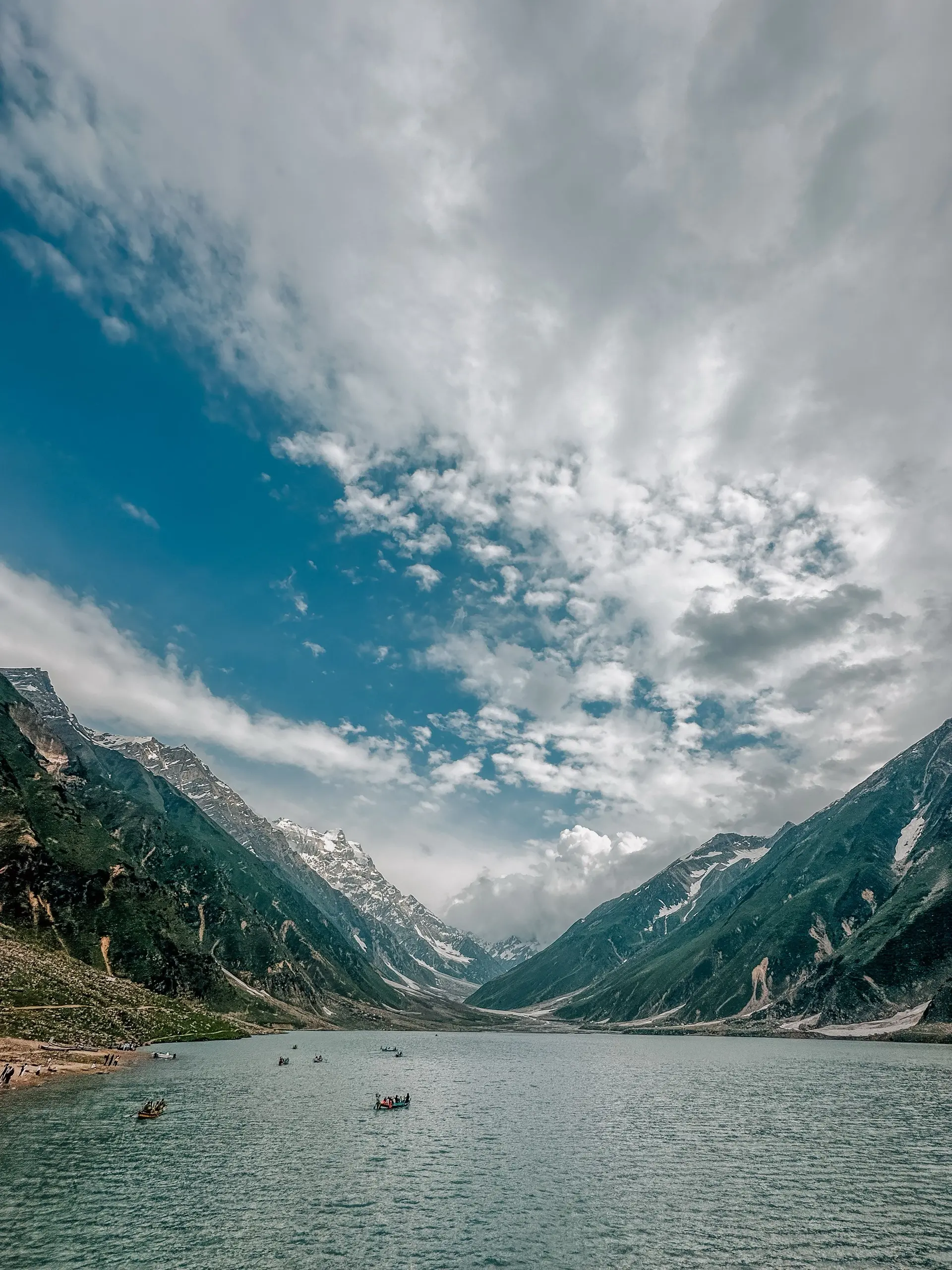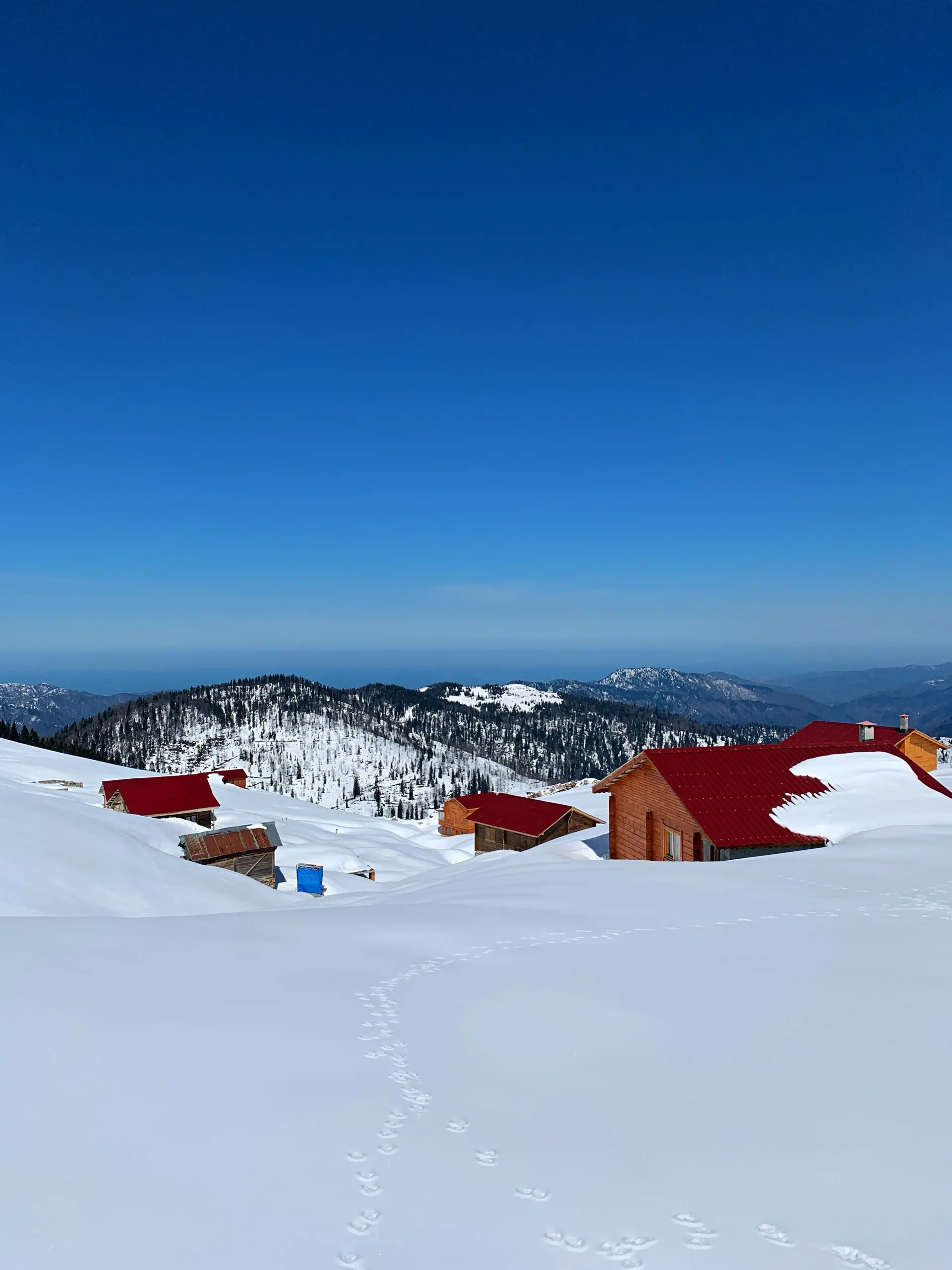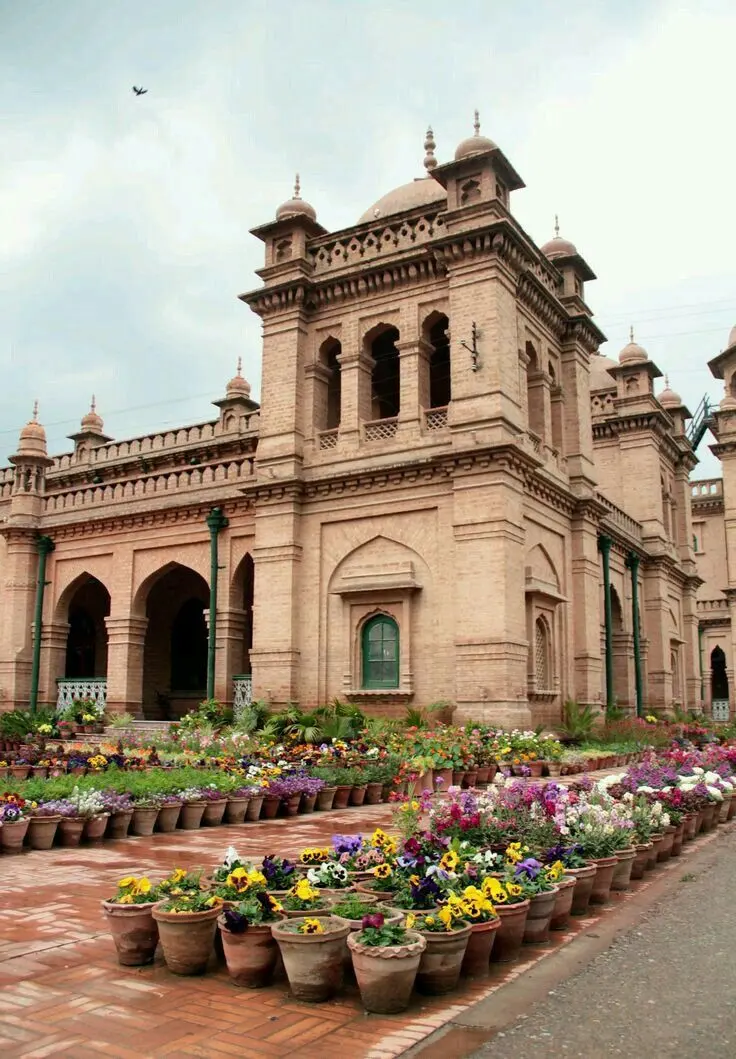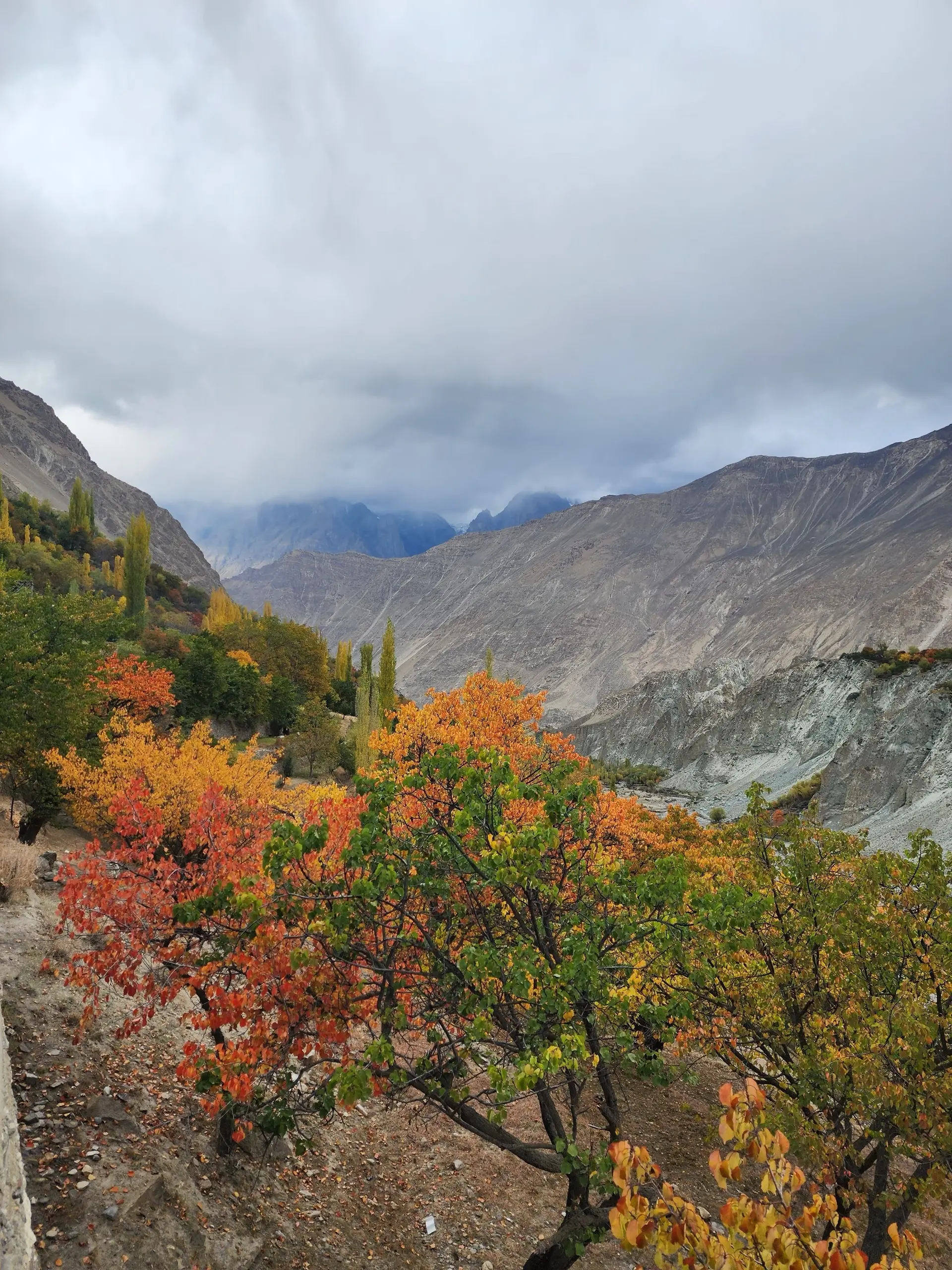
Come out of the Lowari Tunnel and the light changes. The rock goes pale, the valleys open out instead of clenching shut, and you're facing west towards Afghanistan rather than north towards China. This is the Hindu Kush, not the Karakoram, and if you've come straight from Hunza it takes a day to stop expecting one range to behave like the other.
Then you reach Chitral town and Tirich Mir is above it. The highest peak of the Hindu Kush, clear from the bazaar on a good morning and gone by lunchtime once the haze lifts off the river. Nobody in town makes anything of it.
What Chitral has that most of northern Pakistan doesn't is the memory of having been its own country. It was a princely state, ruled by the Mehtars from the fort on the riverbank, and the district still speaks Khowar at home rather than Urdu. The polo isn't a heritage display either. It's the local game, played hard, and the argument about who won carries on in the bazaar afterwards.
Chitral town and the district around it
The town is small and it isn't pretty. Get that expectation out of the way now.
The Chitral Fort sits low and thick-walled on the bank of the river, with the Shahi Masjid beside it. The mosque is the better-looking of the two by a distance. Both are worth an hour rather than a morning, and access to the fort has come and gone depending on who's using it, so ask at your hotel before you walk down. The bazaar is one long street doing the job it exists for: hardware for people who live an hour up a side valley, dried mulberries, and the flat wool cap everybody wears. Buy the cap. You'll understand it by the second cold evening.
The polo ground runs through the middle of town, and a match on it isn't the sport you've seen on television. Chitrali polo has no umpire. Riders go into each other, the ball ends up in the crowd and comes back out, and when somebody scores a band on the sideline starts up and the whole ground hears about it. You stand at the edge and you move when the horses come at you. There's no published fixture list, so ask locally. Matches cluster around holidays and the build-up to Shandur.
Chitral Gol National Park climbs out of the valley just north-west of town and holds one of the strongest markhor populations anywhere. Heavy corkscrew horns, and an animal that lives on ground you wouldn't walk across. They come lower in the cold months, so the late end of the season beats high summer. Further out, Garam Chashma sits up a side valley towards the Afghan border: sulphurous hot springs, developed functionally rather than as a spa, and a good use of a day when the weather has shut the mountains in.
The trekking here is real and it's quiet. The approach to Tirich Mir base camp goes up the Tirich valley and past the last village, and there's almost nobody on it by Karakoram standards. That cuts both ways: fewer trekkers means fewer porters waiting for work and fewer outfitters in town. Arrange it in advance.
Upper Chitral is the half of the district visitors skip. Booni is the centre up there, Mastuj further on where the Yarkhun and Laspur valleys come in. Go up for a night even if Shandur isn't in your plan. Beyond Mastuj the pass itself is the eastern exit, and at 3,700 metres it carries the polo ground both sides claim. The tournament between Chitral and Gilgit is held up there in July, and for that week traffic and accommodation change character along the whole route. The pass is generally open roughly June to October, it's unsealed, and a 4x4 is required rather than advisable.
The Kalash valleys
Bumburet, Rumbur and Birir run south-west of Chitral town, off the road at Ayun. The Kalash who live in them have their own religion, their own calendar and their own language, and they aren't Muslim, which in Pakistan makes them a minority that people come to look at. Bumburet is the largest, the easiest to reach and takes most of the traffic. Rumbur is smaller and quieter. Birir is the least visited.
Three festivals shape the year. Chilam Joshi in spring, when the herds go up. Uchal in summer, once the wheat and barley are in. Chawmos at midwinter, which is the serious one, running for days around the solstice and closing the year out. These are religious observances. They aren't performances, they aren't put on for visitors, and arriving at one with a long lens and no introduction is the most common way people get this wrong.
So: ask before you photograph anybody, and take the first no as the answer. Kalash women's dress is what everyone wants a picture of, which is precisely why the women are tired of being asked. Don't hand out sweets or money to children. Don't walk into a bashali, the women's house, and don't climb to the altar sites above the villages. Some places are closed to outsiders, some are closed to men, and nobody there owes you an explanation of which is which.
Then there's the crowding. Domestic day-tripper traffic into Bumburet during festival week is heavy enough that it has become the problem rather than a side effect of it. If you can come outside a festival, come outside a festival. You'll see the valleys as places people live instead of as an event.
There has also been an entry fee or permit arrangement for foreign visitors at various times, handled at the checkpoint on the way in. We're not going to tell you what it is today, because it has changed more than once and the version printed in guidebooks is usually behind. Ask your hotel in Chitral and ask the district authorities before you drive down.
Where to base yourself
Chitral town if you want one base and short days out of it. The fort, the mosque and the bazaar are on foot, the airport is close, and there are enough beds that you can turn up without a booking in a normal month. The cost is that the Kalash valleys become a long there-and-back on a rough road, and you'll do them in a day, badly.
Stay in Bumburet or Rumbur and the arithmetic reverses. The guesthouses are simple and the evenings are the point, because the valleys empty out once the day traffic leaves. Take Rumbur over Bumburet if quiet matters more to you than choice of room. For a first visit, do both: two nights in the town, two in a valley. Only the town wastes the drive in. Only the valleys and you never see the district the Kalash are part of.
When to go
April to October. Outside that you're gambling on the weather and on what's still running. Spring gives you green valleys, Chilam Joshi and cold nights. High summer is hot down in the town, and it's the only time Shandur is crossable, so if the pass is in your plan the timing isn't yours to choose. September and October are the best weeks in our view: clear air, harvest in, Tirich Mir out more mornings than not.
The Lowari Tunnel changed the winter question and most of what you'll read hasn't caught up. The old pass shut the district off from the rest of Khyber Pakhtunkhwa for months at a stretch. The tunnel replaced it and made the road year-round, so winter here is something you can plan rather than something that happens to the people who live through it. It's still cold, still quiet, and Chawmos falls inside it.
Getting in and getting around
Chitral has an airport, CJL, and the flight up is short. It also goes far less often than the schedule implies. Visual approach, narrow valley, weather decides, and the decision comes late. Treat the flight as a bonus and have the road answer ready before you need it.
The road from Islamabad is 400 km and takes 10 to 14 hours through the Lowari Tunnel, which is what makes it a year-round route. That's a long day and almost everyone underestimates it. The route climbs through Dir, and if that raises a question for you we've written the honest version at is Pakistan safe, while passes and roads covers what's open when.
The third way in is over Shandur from Gilgit. Summer-only, slow, and one of the best drives in the country. It's a poor use of a short trip. Once you're off the main valley you're on jeep road anyway, including the run down to the Kalash valleys, so hire the vehicle with its driver. The roads are single-track in places and the drivers know which places.
How long to give it
Four days on the ground, not counting getting there and back. Day one is the drive or the flight in, with the afternoon in town for the fort, the mosque and the bazaar. Day two goes to Chitral Gol or Garam Chashma. Day three you move down to Bumburet or Rumbur and stay the night. Day four is on foot in the valley, up to a village above the road and back down when the light goes.
Three days works if it has to, and you'll cut the Kalash valleys to a day trip, which is the wrong cut. Five or six gets you up to Booni and Mastuj, or onto the Tirich Mir approach. That's a different trip with a different point to it.
Nearby
East over the mountains to Swat, south to Peshawar, or Naran and Kaghan if you're working back along the north.