You'll hear Qissa Khwani before you get to it. Horns, forty conversations over each other, a tea boy running steel pots through a gap that isn't there. Brass, cloth, dried apricots, cardamom stacked to head height. Somebody will have you sitting down with green tea before you work out how it happened, and you won't be allowed to pay for it.
The name means the street of storytellers, and it was literal. This is where the caravans coming down through the Khyber unloaded and traded the news they'd carried along with the goods. Peshawar has been doing some version of that for well over two thousand years. It's the oldest continuously inhabited city in South Asia and it makes nothing of the fact.
The rest of this site is about mountains. This page isn't. Peshawar is flat, hot, loud and deeply Pashtun, it was Purushapura when it was the Kushan capital of Gandhara, and the museum here holds what came out of that. Come for the old city, the sculpture and the food.
What's worth your time in the old city
The Mahabat Khan Mosque is a street off the bazaar and a different climate once you're through the door. Seventeenth-century, white marble, an ablution tank in a broad courtyard, and after the racket outside the quiet has weight. Men sleep along the arcades in the afternoon. Cover up and ask if you're unsure.
Sethi Mohallah is what visitors skip and shouldn't. The Sethis traded up into Bukhara and came back with strong views about how a house should look: havelis with carved woodwork on every door frame, coloured glass throwing patterns on the floor, basements dug deep enough to sit out the summer in. Sethi House is open as a museum. Go down into the basement. That part explains the city.
Gor Khatri, on the highest ground in the quarter, is a Mughal caravanserai over an archaeological trench cutting through layer after layer of occupation. It's where the age of Peshawar stops being a claim. It's also underfunded and half-forlorn, and if you're short on time it's the one to drop.
The Peshawar Museum is why serious people come. Its Gandharan collection is one of the best in the world for Buddhist sculpture: schist panels running the Buddha's life like a comic strip, the fasting Siddhartha with every rib showing, standing Buddhas in unmistakably Hellenistic folds. If Swat is next, do the museum first and the ruins up there will make sense.
Bala Hisar Fort is a working installation rather than a monument, so look at it from outside unless you've arranged otherwise on the ground. Chowk Yadgar is the square you orient yourself by, and the one address every rickshaw driver finds without argument.
The food is half the reason to come
Namak Mandi is a street of butchers with cooks attached. You choose the meat off the hook, it's weighed, and it goes into a karahi at the back with tomato, green chilli, salt and little else. Mutton, not chicken. The fat stays in. It comes out in the pan it cooked in with naan and no cutlery, and it's the best thing you'll eat in this country. We've argued this with people who love Lahore. We're still right.
Charsi tikka is the other Namak Mandi institution: mutton on skewers over coals, salted, cooked in its own dripping fat. Order less than feels right. Portions are weighed for men who've done a day's physical work.
Chapli kabab belongs to Peshawar whatever Islamabad says. Minced beef pressed flat and wide with pomegranate seed, coriander and enough green chilli to register, fried on a steel plate over open fire. Eat one within sight of the plate. They don't survive a journey.
Then the tea houses: kahwa with cardamom after the meat, doodh patti if you want the sugar, Peshawari naan out of a tandoor you can see from your seat. This is one of the two or three distinct food cities in Pakistan, so build the day around eating rather than fitting it in.
Gandhara, properly
The museum is the collection. The sites are out in the valley towards Mardan and they need a car, a driver and a full day. Give them one.
Takht-i-Bahi is the one to do if you do only one. A Buddhist monastery built up a ridge, courts of votive stupas and monks' cells cut into the hillside, high enough that the invasions which flattened the plain below went past underneath. It carries a UNESCO World Heritage inscription along with the town remains at Sahri Bahlol nearby, and you climb to it with no shade on the way up.
Shahbaz Garhi is two boulders beside a road with Ashoka's edicts cut into them in Kharosthi in the third century BCE, among the oldest surviving writing in South Asia. There's no site as such. It's a shelter over a rock. Know what you're looking at and it's remarkable; don't, and you'll be back in the car before your driver finishes his cigarette. Jamal Garhi, another hilltop monastery, is quieter and barely visited: add it if you've caught the Gandhara thing rather than working a list. Sahri Bahlol is a mound in a village, for specialists.
The Khyber Pass and Landi Kotal
West of the city the ground lifts towards the Khyber, the gap almost every invasion of the subcontinent came through, with Landi Kotal at the top. It's what visitors most want here and what we can tell you least about. Access has opened and closed repeatedly. Permits have been required at various times, for foreign passport holders in particular, and the arrangements shift with the security position and with the administrative status of the district.
So we won't state a rule, and don't trust anyone who does. Ask before you build a day around it: a Peshawar hotel used to foreign guests, a driver who actually works that road, and the district administration are who'll know today's position and whether it applies to your nationality. If the answer is no, take it as no.
Where to base yourself
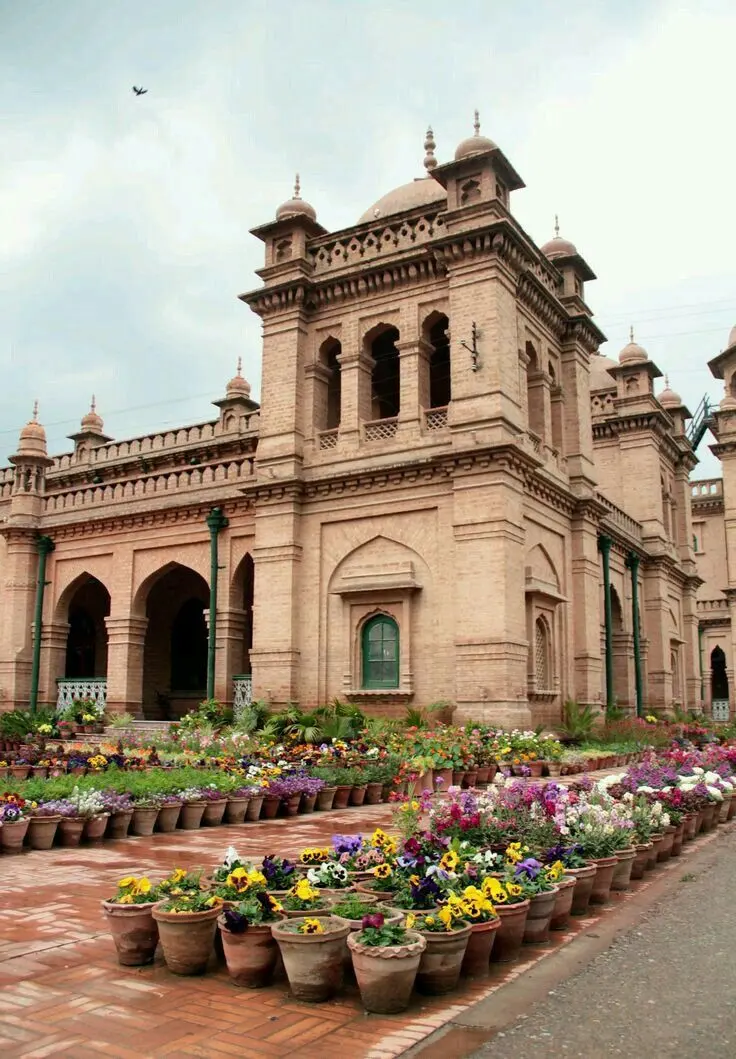
The cantonment is where most foreign visitors end up and on a first trip that's right. British-era grid east of the old city: wide streets, trees, the larger hotels, the museum walkable from some of them, quiet in a way nothing else here is. University Town is the newer, leafier, wealthier version of the same idea, with the guesthouses aid and development people use. Pick that one for a comfortable room and accept being furthest from the old city.
Staying hard against the old city sounds better than it is. Basic rooms, noise that doesn't stop, and the walk you saved was a short rickshaw ride anyway. One argument for it: the bazaar at six in the morning, shutters going up and nobody selling to you yet, is the best hour Peshawar has.
When to go
October to March, and the reasoning is dull. Summer is severe. It won't just be uncomfortable, it'll take the middle out of every day you planned, and the old city has almost no shade. Winter is warm by northern Pakistan standards and you'll be walking all day, which is the point.
Ramadan cuts both ways. Through daylight the kitchens are shut, the tea houses closed, Namak Mandi doesn't do lunch, and a third of the reason to be here has gone. Then iftar: a whole street sitting down at the same minute, strangers pulling you into it. Check the dates and decide which trip you want.
Getting in and getting around
Bacha Khan International (PEW) takes domestic flights and some Gulf traffic, and most visitors don't use it, because the M-1 from Islamabad is one of the better motorways in the country and the drive is uneventful in the way you want. From the north, Swat brings you in the other side.
In the city the BRT runs east to west on its own corridor, clean and simple and not much use, since what you came for isn't on it. Rickshaws do the rest and you settle the fare before you get in. Walk the old city, drive everything else: the lanes behind Qissa Khwani won't take a vehicle and whatever map you're holding is optimistic about most of them.
Safety, once
Khyber Pakhtunkhwa's advisories are materially stricter than anything written about Gilgit-Baltistan, they move with events, and governments don't agree with each other. The position on Peshawar city is often different from the position on the districts around it. Read what your own government publishes, district by district rather than nationally, before you commit money.
Then read your insurance, because policies are written against those same advisories. Is Pakistan safe sets out how the two documents interact and we won't re-argue it here. The honest position isn't a warning and it isn't a shrug: the answer changes, and it's yours to look up rather than ours to hand you.
How long to give it
A day and a half, or two if you're doing Gandhara properly, which you should. First morning, into the old city early: Qissa Khwani while it's setting up, Mahabat Khan, Sethi Mohallah and the house, Gor Khatri if the legs hold. Lunch at Namak Mandi, after which plan nothing, because you won't be capable of it. Museum late afternoon. That order is deliberate: bazaar while you've got energy, sculpture when the building's quiet and you're glad to sit down.
The second day belongs to a driver and an early start. Takht-i-Bahi first, Shahbaz Garhi on the way back, Jamal Garhi if the light holds, chapli kabab in the city after. A third day is for the Khyber, if the answer came back yes.
Nearby
North into Swat for the Gandhara sites you didn't reach and the valley behind them. North-west to Chitral through the Lowari Tunnel, a long day ending somewhere that feels like another country. Naran and Kaghan sit north-east if the mountains are next. East is Islamabad, the motorway back and the flights out.